


SOUTH SUDAN – “My past may stay with me, but I can now use my future to do better.”
Makol Makuang’s story of turning from prison inmate into a successful farmer is one of many since the start of the Green Corrections Initiative, implemented by the United Nations Mission in South Sudan across the country.
Born out of both protective and humanitarian necessity in 2022, the initiative responds directly to the dire state of prisons by improving living conditions and offering new opportunities to the detainees.
Despite much fertile land and a large available workforce of 12,000 inmates, these resources were rarely employed.
Together with the Food and Agriculture Organization, United Nations Development Program, and Ministry of Agriculture, UNMISS made it its mission to change this.
It all started in Wau where prison officers had long wanted to use the nearby farm as a food source for inmates and communities, but they lacked equipment, seeds, and knowledge.
Today, 30 to 50 inmates work the land every day.
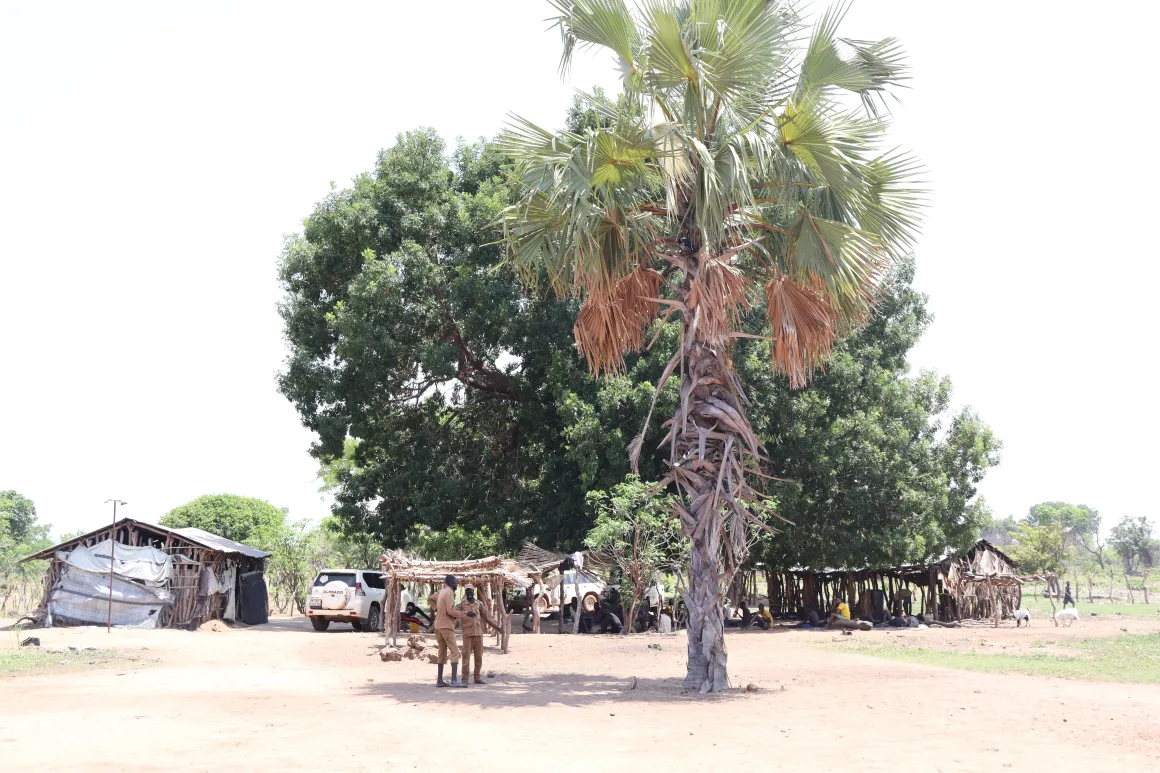
“The farm is more than just an extended prison site. It has now become a home for many of us,” says Wau Prison Farm Director, Atong Major.
After their release, many of the former inmates have developed their own farms, proving the power of resilience at the heart of the initiative.
Makol doesn’t just cultivate on his own farm since his release but also returned to the prison as an officer teaching inmates about his experience.
“Seeing how much impact the trainings and farming activities had on me and later my family, I decided that it’s always better to inspire others and focus on those around us.”
Inspired by the success in Wau, the initiative was expanded to Kuajok, Malakal, and Bor where it turned empty land into blossoming farms. It also turned demoralized, inactive inmates into self-reliant professionals eager to broaden and share their skills with their communities upon return.
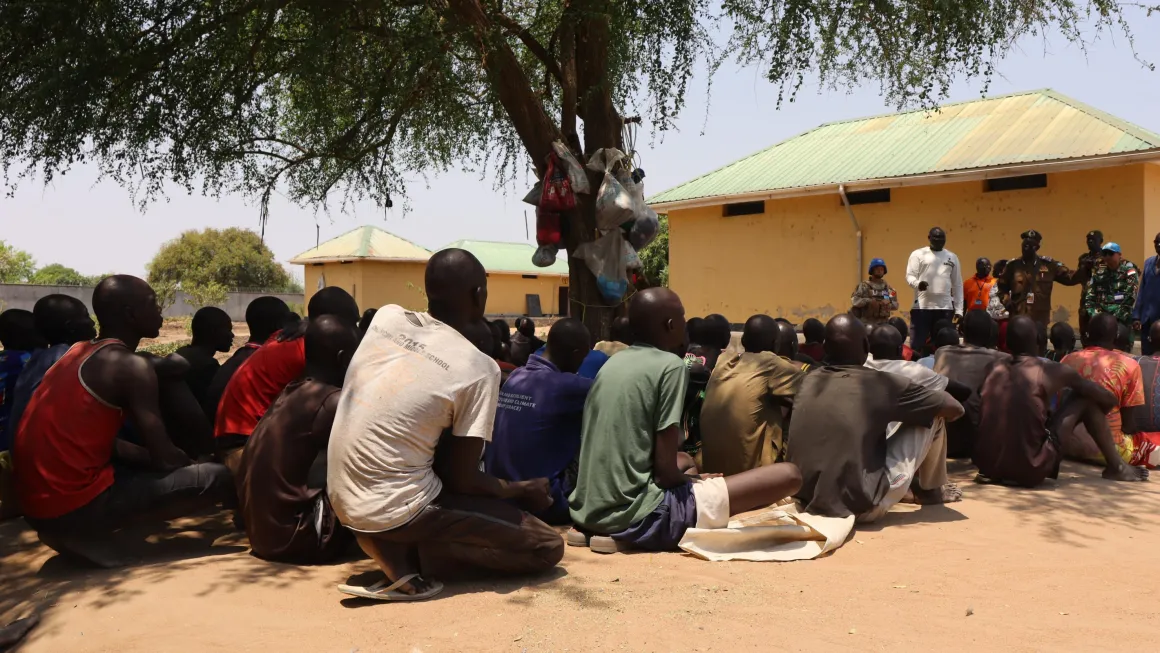
Today, more than 12 locations have joined the initiative, including the capital, Juba, where hundreds of kilograms of seeds were recently donated by FAO to Juba Central Prison. From there, UNMISS will distribute it to different farms in the area.
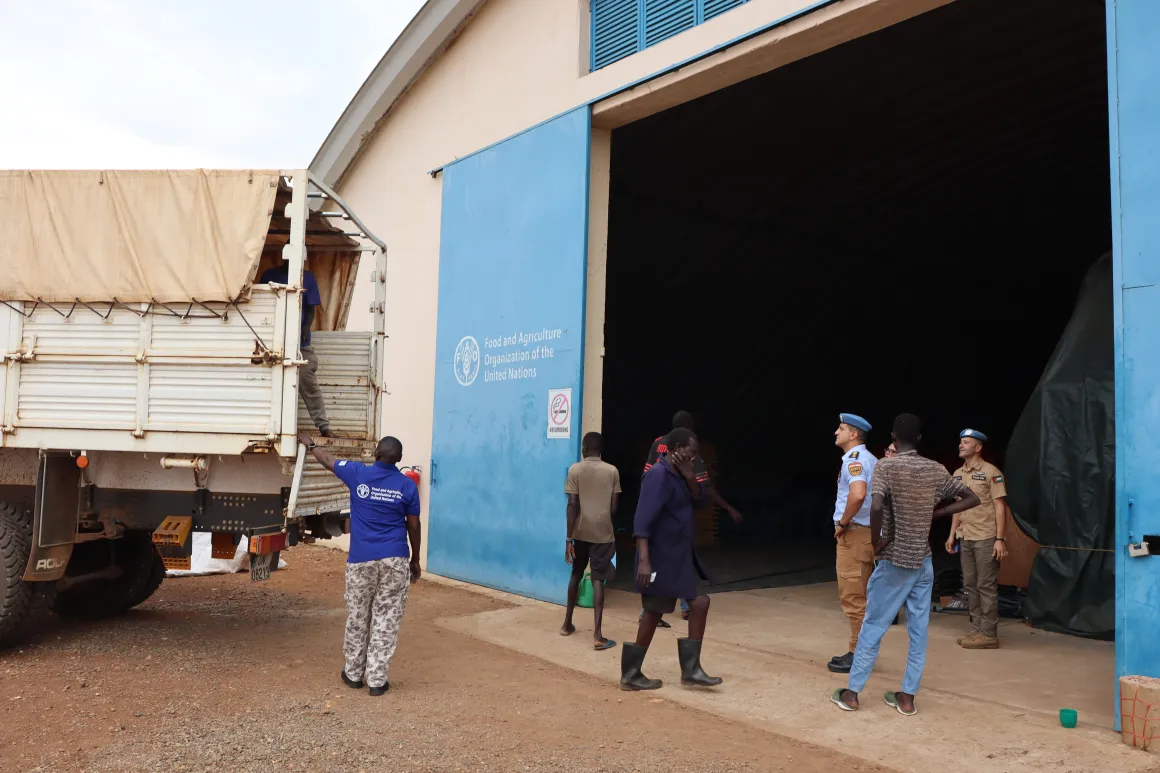
“South Sudan is still an emergency context when it comes to food and other securities, but we are slowly starting to build resilience,” explains Zainab Kodivora, FAO Logistics Officer.
“This initiative is an impactful part of the process, as it doesn’t just foster security but also reintegration of prisoners.”
She and her team are working closely with the UNMISS Rule of Law and Security Institutions Section to ensure that donations have a measurable impact by combining them with crucial vocational trainings.
The intention is clear – transforming prisons into agents of national healing and stability.
“I wake up excited knowing I am able to turn my sentence into something that will benefit, not just my family, but our entire community once I’m released,” smiles Terekeka prison inmate M.
Instead of spending endless nights mulling over the mistakes she’s made, the mother of three thinks much more about how to make her tomato crop multiply. Every visit from her children is now an opportunity to teach them hands-on farming skills. An opportunity for them to be proud of their mother’s newfound ambitions.
“In many facilities, feeding prisoners consistently has become an immense burden, affecting inmate welfare as well as prison stability and security,” explains UNMISS Senior Corrections Officer Abdul Arshad. “Beyond improving food security, the initiative equips inmates and prison staff with livelihood skills, strengthening institutional stability, and demonstrating how corrections can contribute positively to and community resilience and peace.”
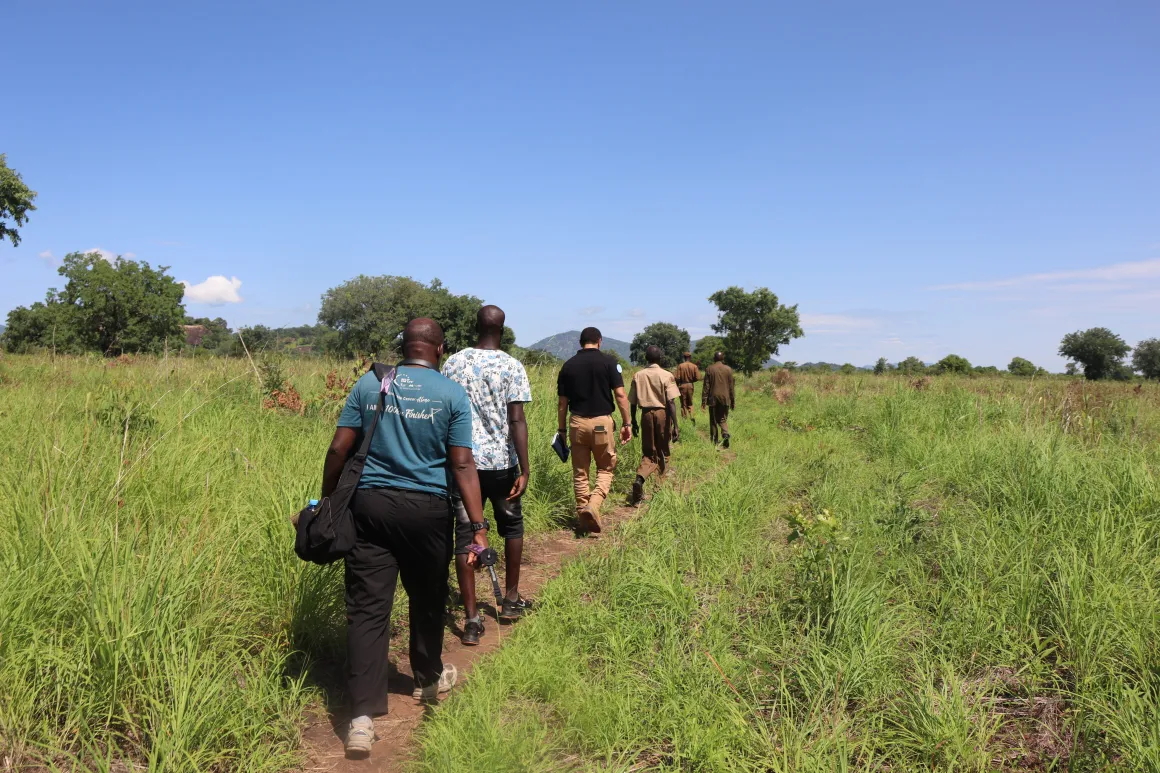
In Torit, the farm is not just ground for growing seeds but hope.
Guided by the prison officers, inmates built a small town inside the farm that is even used by surrounding community members looking for shelter or food.
Such as the wife of a current inmate, who spends weekends with him and their children, helping out on the farm:
“What used to be walls are now turned into bridges that allow inmates like my husband to make up for their crimes by building resilience in their communities during and after their sentence.”
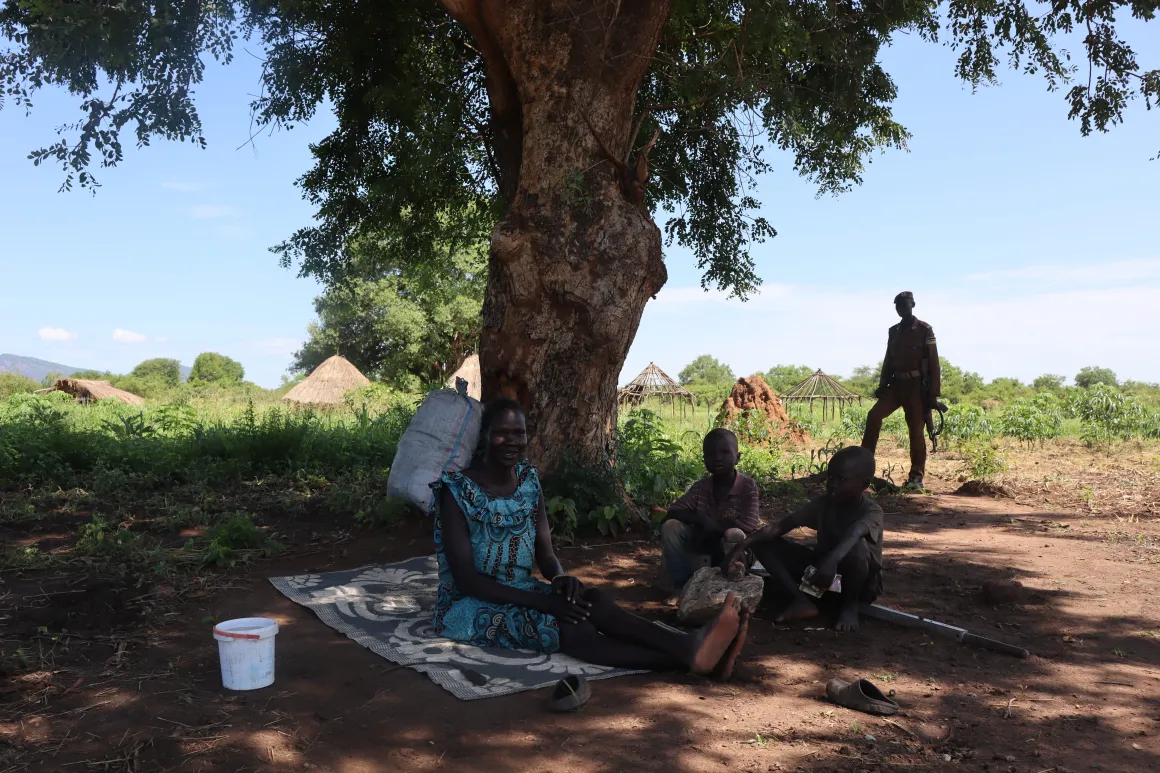
What started as an initiative to promote prison security has turned into a model of growth that exceeds prison walls as Anees Ahmed, UNMISS Chief of Rule of Law, concludes:
“The Green Corrections Initiative shows how corrections reform, when approached imaginatively, can deliver far beyond prison walls. What began as a response to food insecurity in places of detention has evolved into a practical model that advances rehabilitation across the country. For us, this is not simply a prison agriculture project; it is a peacebuilding initiative with tangible human impact.”
By Jaella Brockmann


